When it comes to capturing stunning images, choosing the right gear is key. Professional cameras pack a punch in features that empower photographers to unleash their creativity. Here are some of the top features you'll find in these high-performance machines.
First off, let’s talk about image quality. Professional cameras usually come equipped with larger sensors, like full-frame or APS-C. This means better detail, improved low-light performance, and vibrant colors. If you want your photos to pop, a great sensor makes all the difference.
Next up, let’s not forget about lens compatibility. Professional cameras offer a wide range of lenses, from wide-angle to telephoto, giving you the flexibility to choose the right one for any scene. Need to capture an expansive landscape or zoom in on a distant subject? You’ve got options!
Another cool feature is the speed. Professional cameras often have faster autofocus systems and continuous shooting rates. That means you won’t miss that perfect moment, whether you’re photographing a fleeting expression or a fast-moving subject. You’ll get clear and sharp shots every time.
Last but not least, customization is a big deal. Professional cameras usually allow you to tweak settings to fit your shooting style—like adjusting exposure, ISO, and shutter speed. This level of control gives you the power to create just the way you want. If photography is your passion, these features in professional cameras will help you elevate your craft and produce breathtaking images.
Choosing Your Ideal Camera Type
First up, we have DSLRs. These bad boys are known for their versatility and image quality. They come with interchangeable lenses, giving you tons of options for different shooting scenarios. If you’re into landscapes or portraits, a DSLR can offer that creamy bokeh and stunning detail. Plus, they generally have comfortable grips, which makes it easy to take long shooting sessions.
Then there are mirrorless cameras, which are all the rage right now. They’re lighter and more compact than DSLRs but still pack a punch in terms of performance. Many pro photographers love them for their fast autofocus and the ability to shoot video in high resolution. If you're looking to travel light without skimping on quality, a mirrorless camera should be on your radar.
Don’t overlook point-and-shoots either! These tiny cameras can deliver fantastic quality without all the fuss of changing lenses. They’re perfect for everyday moments, casual outings, or even travel when you don’t want to lug a big camera around. Professional cameras in this category often come with advanced features, like great zooms and manual controls, making them a nifty option for those who want simplicity without sacrificing quality.
Lastly, if you're into wildlife or sports photography, check out telephoto cameras. These specialized professional cameras bring distant subjects up close, letting you capture action from afar. With the right lens, you can catch every detail, even if you’re far away, which is pretty amazing. Just make sure to consider the weight and size if you’ll be moving around a lot!
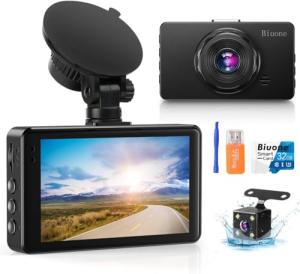
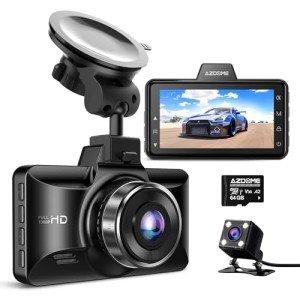
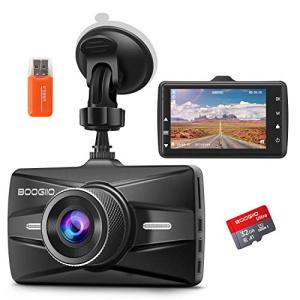
Dual Dash Cam, 1080P FHD Front and Rear Cameras
Capture crystal clear footage from the front and back with our Dual Dash Cam's 1080P FHD Front and Rear Cameras
Product information
$69.99 $38.84
Product Review Score
4.53 out of 5 stars
216 reviewsProduct links
Best Lenses for Stunning Shots
When it comes to professional cameras, having the right lens can make all the difference. Lenses can transform an ordinary shot into a breathtaking image. Here are some top choices that’ll help you elevate your photography game.
The Canon EF 24-70mm f/2.8L II USM is a favorite among many photographers. It’s super versatile, perfect for everything from portraits to landscapes. The image quality is top-notch, and its fast focusing means you won’t miss those fleeting moments. Plus, it’s built to withstand a bit of rough handling, which is great for outdoor shoots.
If you’re leaning towards nature or wildlife photography, check out the Nikon AF-S NIKKOR 200-500mm f/5.6E ED VR. This lens gives you impressive zoom capability without sacrificing clarity. You can capture those far-off subjects and still get crisp details in your shots. It also has vibration reduction technology, making it easier to shoot in low light and at longer distances.
For those dreamy, soft-focus backgrounds, the Sigma 35mm f/1.4 DG HSM Art is a fantastic pick. This prime lens produces stunning blurriness around your subject, so you can really make them pop in your images. It’s perfect for portraits and low-light situations. The sharpness and color rendition are just superb, making it an essential for any serious photographer.
Last but not least, the Tamron 11-20mm f/2.8 Di III-A RXD is ideal for those wide-angle shots, especially if you love capturing architecture or dramatic landscapes. The fast aperture means you can take great photos even in dim lighting. It’s compact and lightweight, making it easy to carry around.
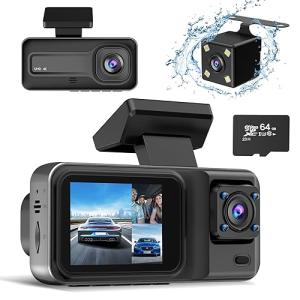
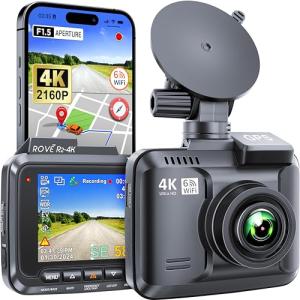
4K 3-Channel Dash Cam, Front & Rear Cameras
Enhanced safety and visibility with ultra high-definition footage from the 4K 3-Channel Dash Cam, featuring front and rear cameras
Product information
Click for price
Product Review Score
4.7 out of 5 stars
172 reviewsProduct links
Tips for Mastering Your Camera Skills
Ready to take your photography to the next level? Mastering your camera skills isn’t as daunting as it sounds. It just takes a bit of practice, and the right tips can seriously help. Let’s dive into some handy pointers to get the most out of your professional cameras.
First things first, get to know your camera inside and out. Spend some time with the manual. Learn what each button and setting does. Play around with different modes—try them out in various lighting conditions. You’ll be amazed at how much you can do once you understand your gear.
Next, practice makes perfect. Don’t hesitate to snap photos every day. Experiment with different subjects, compositions, and editing styles. The more photos you take, the better your eye for detail will become. And don’t shy away from mistakes; they’re part of the learning process.
Get familiar with the basic principles of photography like exposure, shutter speed, and aperture. These concepts might seem technical, but they can really improve your shots. Use your camera’s manual settings to get comfortable adjusting these settings on the fly.
Finally, don’t forget about lighting. Natural light can work wonders, but sometimes you’ll need a little extra help. Invest in reflectors or external flashes, and get to know how to work with shadows and highlights. Once you start playing with light, you’ll see a big difference in your photos.