Natural light can totally transform your photos, and mastering it might be one of the best photography tips you'll ever learn. You don't have to wait for the golden hour to get great shots, but knowing how to use sunlight to your advantage is key. Early morning and late afternoon offer softer, warmer light—perfect for capturing those beautiful moments. Midday sun can be harsh, but don’t shy away; embrace it by finding shade or using reflectors to bounce light where you need it.
Experimenting with angles is another great way to make the most of natural light. Try shooting with the sun behind your subject for a stunning silhouette effect or position yourself so that the light hits your subject at an angle. This technique can add depth and dimension to your photos, making them much more engaging. Remember, shadows can be your friend. They can help create drama and interest in your images.
Cloudy days offer soft, diffused lighting that minimizes harsh shadows. This is an ideal scenario for shooting portraits or close-ups because you’ll avoid the dreaded squinting. If it’s too bright outside, consider using a pair of sunglasses to help make colors pop and reduce glare. Don't forget to keep an eye on your surroundings; reflections from water or light-colored walls can change the way the light looks, adding a unique twist to your shots.
Finally, be patient! Natural light can change quickly, so take your time to adjust your settings and find the perfect moment. Don’t rush; great photography is about waiting for that right shot. Use these photography tips to explore and experiment with light in different environments. Your creativity will flourish when you learn to dance with the light!
Getting the Perfect Composition Every Time
Another great trick is to lead the viewer’s eye into the picture. You can do this by using natural lines, like roads, pathways, or fence lines, to draw attention to your main subject. This creates depth and tells a story. Don’t forget to pay attention to your background, too. A cluttered backdrop can distract from the subject, so always check it out before hitting the shutter.
Don’t be afraid to experiment with angles and perspectives. Sometimes, getting low to the ground or shooting from above can completely change the feel of a photo. You might discover some awesome shots that you wouldn't get by just shooting at eye level. Plus, trying new angles makes photography more fun!
Lastly, always keep lighting in mind. Natural light works wonders, especially during golden hour, which is that magical time just after sunrise or before sunset. The soft hues can really elevate your pictures. If shooting indoors, position your subject near a window for that nice, natural glow. With these photography tips, getting that perfect composition will feel easy and intuitive.

G980H 4K Camera for Stunning Photography
Capture breathtaking moments effortlessly with this powerful 4K camera designed for both beginners and pros
Product information
$259.99 $189.99
Product Review Score
4.14 out of 5 stars
214 reviewsProduct links
Choosing the Right Camera Settings Easily
Choosing the right camera settings can seem tricky at first, but it doesn’t have to be! With a bit of guidance, you can easily adjust your camera for stunning photos. The key is understanding a few basic settings that will make a huge difference in your photography.
Start with ISO. This controls your camera's sensitivity to light. On sunny days, you can keep your ISO low, like 100 or 200, for crisp images. When it's darker, crank it up to 800 or even higher to capture more detail. Just remember, higher ISO can make your photos grainy, so find a balance that works for you.
Next up is aperture. This setting determines how much light enters the camera through the lens. A small aperture (like f/16) gives you great depth, perfect for landscapes where you want everything in focus. If you're shooting portraits, a larger aperture (like f/2.8) can blur the background and make your subject pop!
Finally, don’t forget about shutter speed. This controls how long your camera's sensor is exposed to light. Fast shutter speeds (like 1/1000s) freeze action, which is ideal for sports or fast-moving subjects. Slower speeds (like 1/30s) can create motion blur for artistic effects. Just be careful not to shake the camera too much with slower speeds!
Keeping these basic settings in mind is a great starting point for any photographer. These photography tips will help you make those quick adjustments on the fly, leading to photos you’ll love to share!
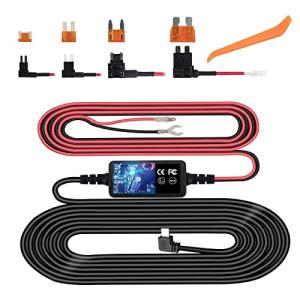
Dash Cam Hardwire Kit with USB C Charger
Keep your dash cam powered and ready to capture every moment with this easy-to-use hardwire kit
Product information
$17.99
Product Review Score
4.19 out of 5 stars
122 reviewsProduct links
Editing Basics to Enhance Your Photos
Editing can take your photos from good to amazing. You don’t need to be a pro to make simple tweaks that enhance your images. A few basic adjustments can help highlight your skills and make your shots pop. Here are some straightforward photography tips to get you started.
First off, adjust your brightness and contrast. Sometimes, photos can look a bit dull straight out of the camera. Boosting brightness can help lighten shadows, while increasing contrast makes colors stand out more. Just be careful not to overdo it; you want to keep things looking natural.
Next, consider cropping your images. This tiny step can make a huge difference. If there’s too much empty space or distracting elements in the background, a quick crop can help focus attention on your main subject. Play around with different compositions until you find one that feels just right.
Don’t forget about color correction! If your photos seem off, tweaking the saturation or temperature can bring them back to life. Need a warmer feel? Dial up the temperature. Want to make colors pop? Increase the saturation just a little—too much can look unnatural.
Lastly, use filters wisely. A subtle filter can give your photos a nice touch. Plenty of editing apps have preset filters you can try. Just remember, less is often more. You want your edits to enhance your photo, not overpower it. With these basic editing tips, you’ll have your photos looking stellar in no time!