Getting the most out of your camera comes down to understanding a few key settings. Don't worry if you feel overwhelmed! Just think of it as tuning an instrument. Once you have it set up, the music (or in this case, the photos) will flow. Here are some important uses of basic camera settings.
First up is the aperture. This controls how much light enters the camera. A wider aperture (lower f-stop number) allows more light, making it perfect for low-light situations, like evening events or indoor shots. On the flip side, a smaller aperture (higher f-stop number) keeps everything in focus, which is great for landscapes. Using this tip can really change how your photos feel.
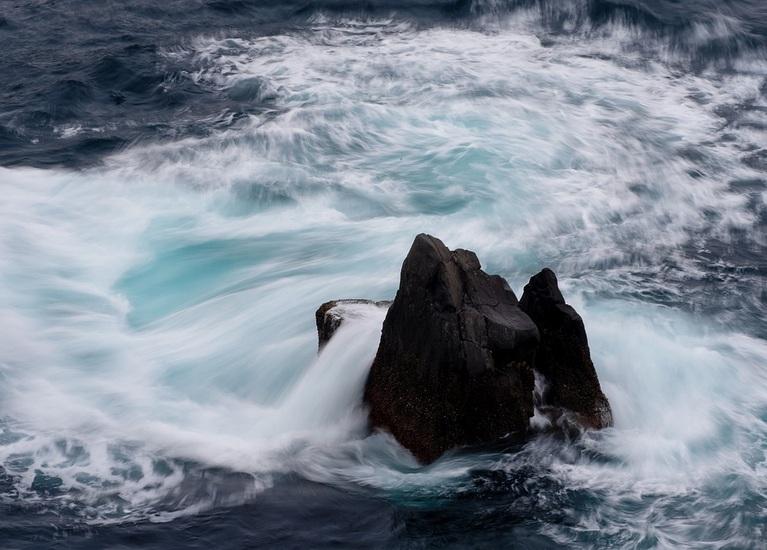
Next, consider your shutter speed. This setting determines how long the camera's sensor is exposed to light. A fast shutter speed freezes action, capturing sharp images of things like kids playing or sports events. If you want to create a cool motion blur effect—like a waterfall or car lights at night—use a slower shutter speed. Just remember to use a tripod for those slower shots to avoid any shake.
Finally, don’t overlook the ISO. It adjusts the camera's sensitivity to light. A low ISO (like 100 or 200) is perfect for sunny days, giving clear, crisp images. When it gets darker, you can bump up the ISO to 800 or beyond, but watch out for graininess with very high settings. Balancing your ISO with aperture and shutter speed can take your shots from good to stunning.
These are fundamental Photography Tips that every aspiring photographer should know. Take some time to play around with these settings. The more you practice, the more comfortable you’ll become, and the better your photos will turn out!
Finding the Best Lighting for Your Shots
Getting the right lighting can make or break your photos. If you want to up your photography game, paying attention to light is key. Natural light often works wonders, especially during golden hour—the time right after sunrise or before sunset. This soft, warm light gives your shots a magical vibe that’s hard to beat.
If you’re indoors or shooting at night, you may need to get creative with artificial lighting. Don't worry; you don’t need to spend a fortune on fancy lights. Simple things like lamps or even your phone’s flashlight can help illuminate your subject. Just play around with shadows and angles to see what works best!
Another handy tip is to consider using reflectors. A white poster board or even a shiny surface can bounce light back onto your subject, reducing harsh shadows. This little trick can help even your lighting and make everything look polished. Plus, you can easily carry reflectors around, making them super practical for on-the-go shooting.
Lastly, always keep an eye on the direction of light. This can affect the mood of your shot. Front lighting brightens everything but may wash out details. Side lighting adds depth and drama, while backlighting can create a cool silhouette effect. Play with these different lighting scenarios to discover what most inspires you and enhances your photos.

G980H 4K Camera for Stunning Photography
Capture breathtaking moments effortlessly with this powerful 4K camera designed for both beginners and pros
Product information
$259.99 $189.99
Product Review Score
4.14 out of 5 stars
214 reviewsProduct links
Composing Images Like a Pro Photographer
When it comes to shooting great photos, composition matters big time. You can have the best camera, but if your composition is off, the shot just won’t hit right. So let’s dive into some easy photography tips that’ll help you compose images like a pro!
First up, try the rule of thirds. Imagine your frame is divided into a grid with two horizontal and two vertical lines. The sweet spots are where these lines intersect. Instead of centering your subject, place it along one of these lines or at one of the intersection points. This simple trick adds balance and interest to your images.
Next, look for leading lines. These are natural lines in your environment that guide the eye toward your subject. Roads, bridges, or even paths can create depth and draw attention. Use them to lead your viewers right to the focal point of your shot. It makes your images feel more immersive and engaging.
Don’t forget about framing! Use elements in your surroundings to create a frame around your subject. Trees, windows, or doorways can add context and make your images pop. This technique adds layers and makes the viewer feel closer to the scene.
Finally, play around with angles. Don’t always shoot from eye level. Get low or find a higher vantage point. Different perspectives can transform an ordinary scene into something extraordinary. Experimenting with angles can help you discover unique compositions that stand out.
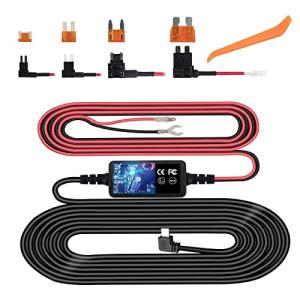
Dash Cam Hardwire Kit with USB C Charger
Keep your dash cam powered and ready to capture every moment with this easy-to-use hardwire kit
Product information
$17.99
Product Review Score
4.19 out of 5 stars
122 reviewsProduct links
Editing Basics to Enhance Your Pictures
Edit your photos to make them pop. It’s like adding a sprinkle of magic to an already great picture. You don’t need fancy software to get started; even your phone has basic editing tools that work wonders. Let’s dive into some simple editing basics that can really enhance your pictures.
Start with cropping. If your shot has distractions, or if you want to focus on a particular subject, just trim away the extra stuff. A well-cropped photo often tells a better story. There’s no right or wrong, but try different compositions and see what looks best.
Next up, adjust your brightness and contrast. Sometimes a picture can look a bit dull. Brightening it up and tweaking the contrast can make colors pop and give your image a vibrant feel. Just be careful not to overdo it—aim for natural-looking results.
Don't forget color adjustments. Playing with saturation can bring colors to life. If your photo looks washed out, bump up the saturation for a livelier vibe. Or, if your colors are too bold, dial them down a bit. A little change goes a long way!
Finally, experiment with filters. They can completely change the mood of your shots. Most editing apps offer a variety of filters, so try a few and see what resonates. Just remember to keep it real—overusing filters can sometimes alter the authenticity of the moment you captured. These photography tips should give you a solid starting point for leveling up your images!