Looking for the right camera can be a bit overwhelming, especially with all the options out there. Digital cameras come in various shapes and sizes, and each type suits different needs. First, think about what you want to capture. Are you snapping casual family photos, or do you want to dive into photography as a hobby? Pinning down your main use will help narrow down your choices.
If you’re just looking for something simple, point-and-shoot cameras are super user-friendly. They’re compact and lightweight, making them perfect for travel or everyday snaps. You won’t have to worry about fiddling with all the settings. Just point, click, and enjoy your memories. Plus, many offer automated features that help you get great shots without any fuss.
For those who want a bit more control, mirrorless cameras and DSLRs are your go-to options. They allow you to swap lenses and adjust settings like exposure and focus. This can help you express your creativity and capture stunning images. If you have an eye for detail and a passion for photography, these digital cameras will let you explore your artistic side.
Lastly, think about your budget. There are fantastic options in every price range. Whether you’re a beginner or a seasoned pro, you can find a digital camera that fits your needs without emptying your wallet. Do some research on brands and models that suit your style, and don’t forget to check out user reviews. They can provide some valuable insights.
Understanding Camera Features and Specs
When it comes to buying digital cameras, getting familiar with the features and specs can feel overwhelming. But don’t worry! Let’s break it down so it makes sense for you. This way, you can choose a camera that suits your needs and helps you capture your favorite moments.
First up, let’s talk about megapixels. More megapixels usually mean better image quality, especially if you want to print your photos or crop them later. Most decent digital cameras these days start around 12 MP, which is more than enough for everyday snaps. But if you're into professional photography, look for cameras with 20 MP or higher.
Next, consider the lens. Digital cameras come with different types of lenses, and the choice can change how you capture images. Zoom lenses let you get close to the action without moving, while prime lenses can create stunning portraits with a blurred background. Think about what kind of photography you enjoy. This will help you decide which lens is right for you.
Don't forget about image sensors! The size and type of sensor can really impact your photos, especially in low light. Look for cameras with larger sensors, like APS-C or full-frame sensors, if you want great quality in dim lighting. Smaller sensors like those in compact cameras may struggle here but are often more portable.
Lastly, keep an eye on the camera’s usability. Features like touchscreen displays, built-in Wi-Fi, and user-friendly menus can make a world of difference, especially for beginners. If you’re going to invest in digital cameras, pick one that feels comfortable and easy to use. It’s all about enjoying the process of taking photos!
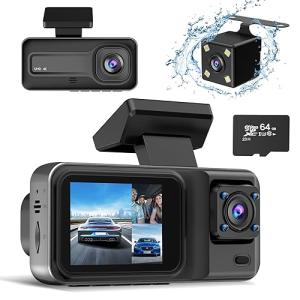
4K 3-Channel Dash Cam, Front & Rear Cameras
Enhanced safety and visibility with ultra high-definition footage from the 4K 3-Channel Dash Cam, featuring front and rear cameras
Product information
$69.99
Product Review Score
4.7 out of 5 stars
172 reviewsProduct links
Tips for Taking Great Photos
Getting the most out of your digital cameras means knowing a few tips that can really elevate your photography game. Here’s how to capture stunning photos without needing to be a pro.
First up, lighting is everything. Natural light is your best friend. Try to take your photos when the sun is rising or setting; this gives everything a warm, soft glow. Avoid harsh midday sunlight, as it can create unflattering shadows. If you’re indoors, try positioning yourself near a window for that lovely light.
Next, get to know your camera settings. Digital cameras often have different modes like portrait, landscape, and night shot. Use these modes to your advantage. Experiment with settings like ISO, shutter speed, and aperture to see how they affect your photos. Play around until you find what works best for the scene.
Don’t forget about composition. The rule of thirds is a great starting point: divide your frame into a grid and place your subject along the lines or where they intersect. This creates a more balanced and eye-catching photo. Also, take time to think about what’s in the background. A cluttered or distracting background can take away from the main subject.
Lastly, practice makes perfect. The more photos you take, the better you get. Try out different styles and subjects. Don’t be afraid to make mistakes; sometimes, those “bad” shots can teach you the most. So grab your digital cameras, go out there, and start snapping!
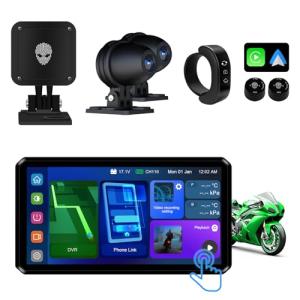
AlienRider M12S Motorcycle 77G Millimeter Wave Radar Blind Spot Warning,Dash cam Front and Rear,Wireless CarPlay/Android Auto,Wired Remote,Night Vision,TPMS,G-Sensor,1080P(Host+Tpms+Cameras+Radar)
Product information
$399.99
Product Review Score
4.14 out of 5 stars
225 reviewsProduct links
Caring for Your Digital Camera
Start with the basics. Always store your digital cameras in a clean, dry place. Consider using a camera bag with compartments to protect it from bumps and scratches. You wouldn’t want your lens to get scratched up or your body to get nicked, right?
Cleaning your camera is crucial. Use a microfiber cloth to wipe down the exterior and lens. For the lens, proper cleaning solutions are essential. Avoid using anything that isn't specifically designed for camera cleaning. Don’t forget to blow out any dust from the sensor using a proper air blower—this can prevent specks from showing up in your photos.
Pay attention to the battery, too. Remove it from the camera when you’re not using it for long periods. Over time, batteries can drain or even leak, so better safe than sorry! If your digital camera has removable lenses, take the time to properly attach and detach them to avoid dust getting into your camera.
Lastly, keep an eye on firmware updates. Manufacturers often release updates that fix bugs and improve performance. Regular updates can provide better features and security, keeping your photos looking their best. Take care of your digital camera, and it’ll take care of you!